Tree Loppin: The Dos and Do n'ts for Amateur Arborists
Tree lopping, a procedure of trimming or removing branches or limbs from trees, requires skill and expertise to be carried out effectively and securely. For amateur arborists, recognizing the dos and do n'ts of tree lopping is essential to avoid damages to trees and ensure individual safety. "Tree Loppin: The Dos and Do n'ts for Amateur Arborists" provides detailed guidelines for those embarking on tree lopping ventures.
Comprehending Tree Lopping Basics
One trick facet of understanding tree lopping basics is acknowledging the relevance of proper trimming methods. Pruning is a critical practice that helps keep the health and wellness and looks of trees. When done appropriately, it advertises growth, reduces the danger of illness, and improves the total framework of the tree.
Correct pruning methods involve making tactical cuts to get rid of dead, damaged, or infected branches. This not only gets rid of possible threats however also motivates brand-new development and improves the tree's general appearance. It is necessary to make clean cuts near the branch collar, without leaving stubs or damaging the bordering bark. This promotes fast healing and protects against the entry of microorganisms.
Thinning cuts involve selectively getting rid of branches to improve airflow and decrease weight. Both kinds of cuts play a crucial role in forming the tree and keeping its health and wellness.
Correct Tools and Devices for Tree Lopping
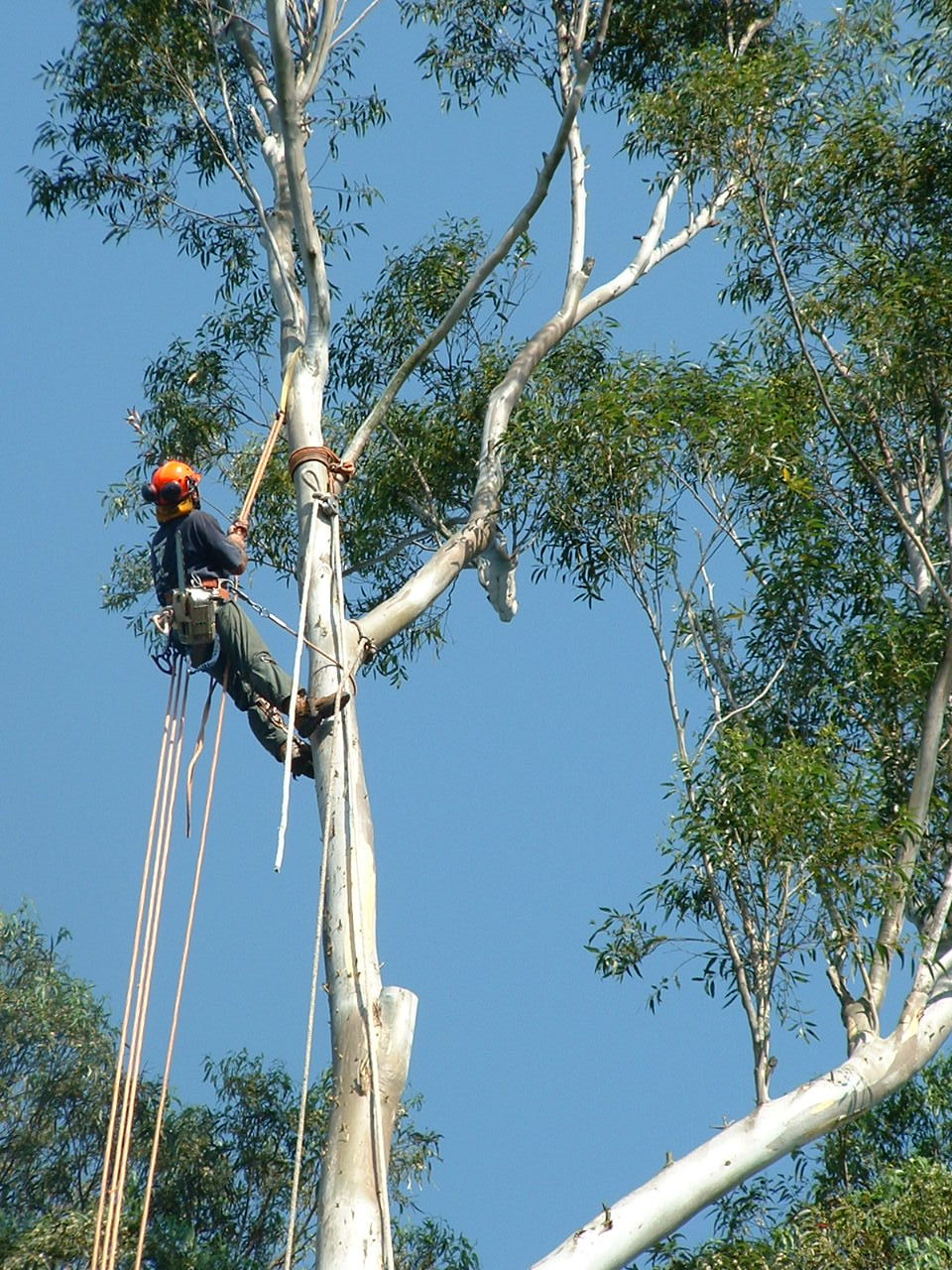
To efficiently carry out tree lopping, amateur arborists should equip themselves with the appropriate tools and equipment. Having the right devices not just makes sure a effective and safe tree lopping process but additionally assists in accomplishing preferable outcomes. One of the important tools for tree lopping is a chainsaw. It is crucial to choose a power saw with the appropriate bar size and power for the size and kind of trees being lopped. Security gear is additionally vital and includes a difficult hat, eye defense, ear defense, job handwear covers, and durable boots. Furthermore, a strong ladder or climbing up devices is required to get to higher branches safely. Trimming shears and long-handled loppers are valuable for removing smaller branches, while a trimming saw is vital for bigger arm or legs. A pole saw or extendable trimming saw is recommended for getting to high branches without the requirement for a ladder. A timber chipper or mulcher can be helpful in disposing of the cut branches efficiently. By spending in the appropriate tools and devices, amateur arborists can make certain a effective and risk-free tree lopping experience.
Dos and Do n'ts of Tree Lopping Techniques
Amateur arborists must constantly comply with correct strategies when participating in tree lopping to ensure the very best results and lessen potential hazards. Tree lopping, additionally recognized as tree covering, is an usual method that includes removing the top branches of a tree. While it may feel like an easy task, it calls for careful consideration and adherence to certain dos and do n'ts.
First and primary, it is vital to comprehend the value of appropriate timing. When the tree is not proactively growing, tree lopping should preferably be done throughout the inactive period. This helps reduce stress and anxiety on the tree and advertises much faster healing. In addition, it is critical to analyze the tree's wellness and structural security before lopping. Harmful or structurally jeopardized trees might not react well to lopping and might posture considerable risks.
When doing tree lopping, it is very important to make exact and tidy cuts. Stay clear of leaving stubs or rugged edges, as they can impede the tree's recovery process and invite pests and diseases. It is suggested to hire a specialist arborist or use specific equipment, such as sharp trimming saws or post pruners, to make certain clean and accurate cuts.
Additionally, it is important to think about the total equilibrium and looks of the tree after lopping. Amateur arborists ought to aim to preserve the natural form and form of the tree while removing only the essential branches. Full Article Over-pruning or too much lopping can bring about discrepancies and influence the tree's health and wellness and appearance.
Finally, never attempt to lop trees near high-voltage line or in dangerous problems. It is vital to prioritize individual security and employ experts for such tasks.
Guaranteeing the Health And Wellness of Trees During Lopping
To guarantee the health and wellness and security of trees during lopping, it is vital for amateur arborists to implement appropriate techniques and preventative measures. Tree lopping, when done improperly, can bring about permanent damages or perhaps the fatality of the tree. Consequently, it is vital to follow particular standards to shield the tree's general well-being.
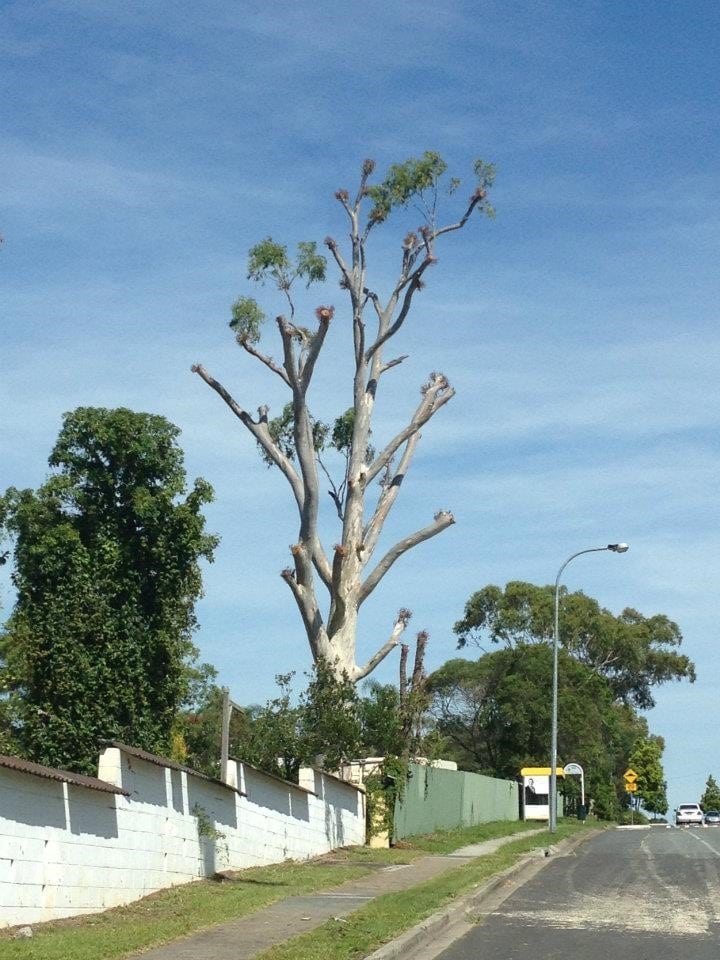
When it pertains to the actual lopping procedure, it is crucial to make tidy and accurate cuts utilizing sharp devices. Uneven or rough cuts can create open wounds that are susceptible to infections and pest problems. Additionally, it is essential to stay clear of reducing too close to the trunk or getting rid of large branches that are crucial for the tree's security and growth.
Furthermore, it is important to consider the timing of the lopping see activity. Pruning throughout the inactive period, when the tree is not actively growing, is usually advised. This reduces stress on the tree and minimizes the danger of condition transmission.
Lastly, after lopping, it is crucial to give correct treatment and upkeep to advertise the tree's healing. This consists of normal watering, mulching, and keeping an eye on for any kind of signs of anxiety or disease.
Typical Blunders to Avoid in Tree Lopping
When it concerns tree lopping, amateur arborists should recognize usual mistakes to stay clear of in order to guarantee the health and wellness of the trees. Among the most common errors is covering the tree. Covering entails reducing off the entire leading part of the tree, leaving just stubs. This technique not only damages the tree's all-natural shape, however it also compromises the tree's structure and makes it much more vulnerable to condition and insect invasion - Stump grinding Brisbane Southside. An additional mistake to prevent is over-pruning. While trimming is essential to maintain the tree's health and wellness and form, extreme pruning can cause tension and damages to the tree. It is necessary to adhere to proper trimming standards and avoid eliminating even more than one-third of the tree's vegetation at a time. Furthermore, utilizing wrong devices is an usual blunder in tree lopping. Using improper or boring devices can create unneeded damages to the tree, and utilizing power this content saws without correct training and safety and security preventative measures can be harmful. It is important to use sharp and ideal devices, and to seek professional assistance if required. Lastly, stopping working to consider the tree's natural growth pattern can result in blunders in lopping. Cutting branches as well close to the trunk or leaving huge stubs can hinder the tree's growth and cause long-term damage. It is crucial to recognize the tree's development habits and prune accordingly. By preventing these typical blunders, amateur arborists can ensure the health and wellness of the trees during lopping.
Conclusion
To conclude, understanding the essentials of tree lopping and using the proper devices and methods are crucial for amateur arborists. Guaranteeing the health and wellness of the trees during the lopping process is vital, while additionally staying clear of common blunders. By complying with these standards, amateur arborists can successfully take care of trees and add to their total health.
Tree lopping, a process of cutting or eliminating branches or arm or legs from trees, requires ability and knowledge to be lugged out successfully and securely. For amateur arborists, recognizing the dos and do n'ts of tree lopping is vital to stop damages to trees and ensure individual security. Tree lopping, also understood as tree covering, is a typical practice that entails cutting off the leading branches of a tree. Tree lopping, when done incorrectly, can lead to irreversible damages or even the fatality of the tree. Tree lopping Brisbane Southside.When it comes to tree lopping, amateur arborists should be conscious of common blunders to prevent in order to make sure the health and safety of the trees